Artist to Artist: Ali Chahrour
Diana Al-Halabi & ghenwa abou fayad
This program will be in English
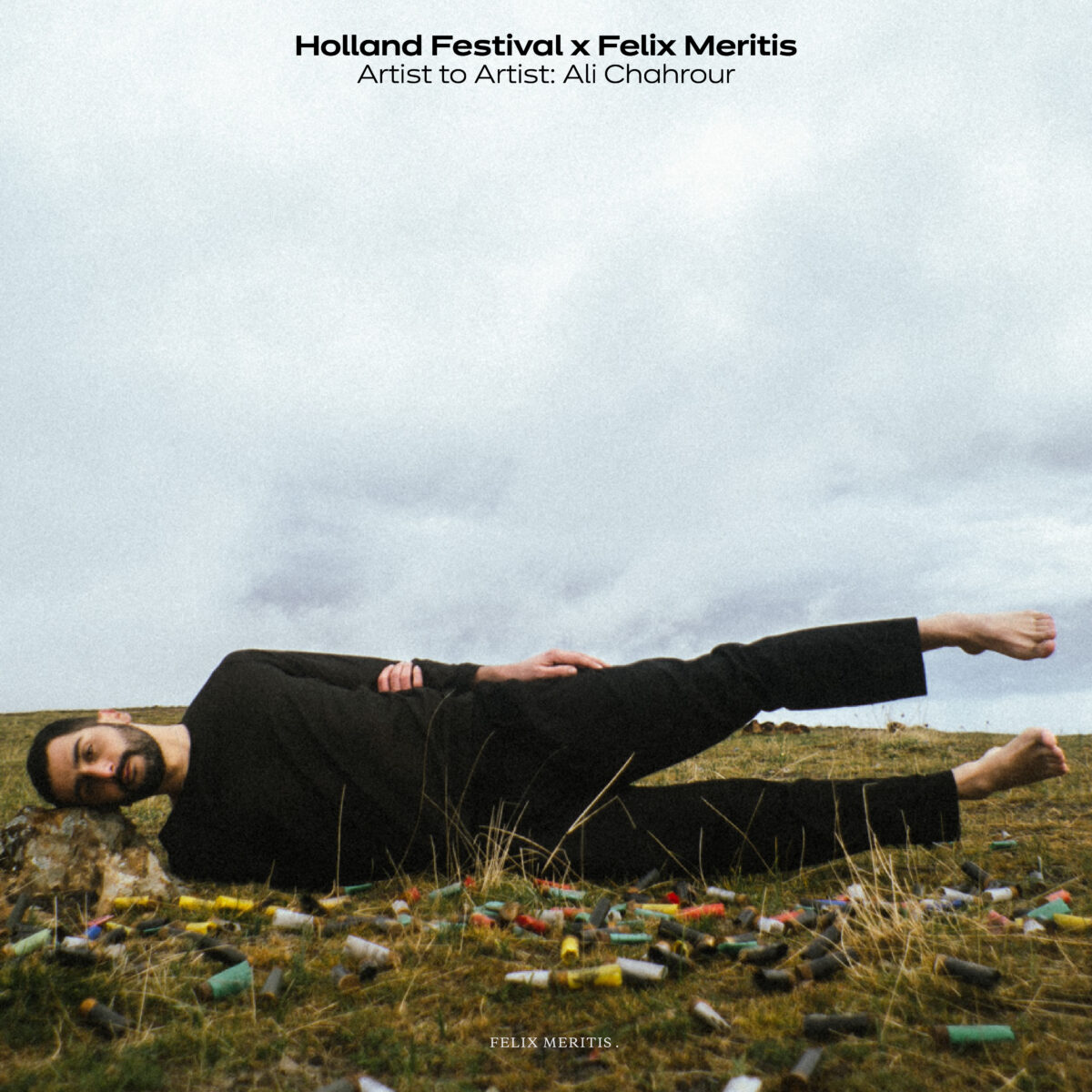
How do you continue working when the reality of war finds itself next to your rehearsal space? What is it like to create art amidst destructive forces? And how does the current situation in Lebanon influence the work of Lebanese artists in The Netherlands? During this Artist to Artist, a collaboration between Felix Meritis and Holland Festival, three Lebanese artists discuss these questions and the importance of sharing stories that often remain in the background.
Lebanese artist Ali Chahrour is part of Holland Festival with his multidisciplinary dance performance When I Saw the Sea. In his work, he connects personal and collective stories with themes such as love and war. During this Artist to Artist he will be joined in conversation by cross-disciplinary artists Diana Al-Halabi and ghenwa abou fayad.
Line-up
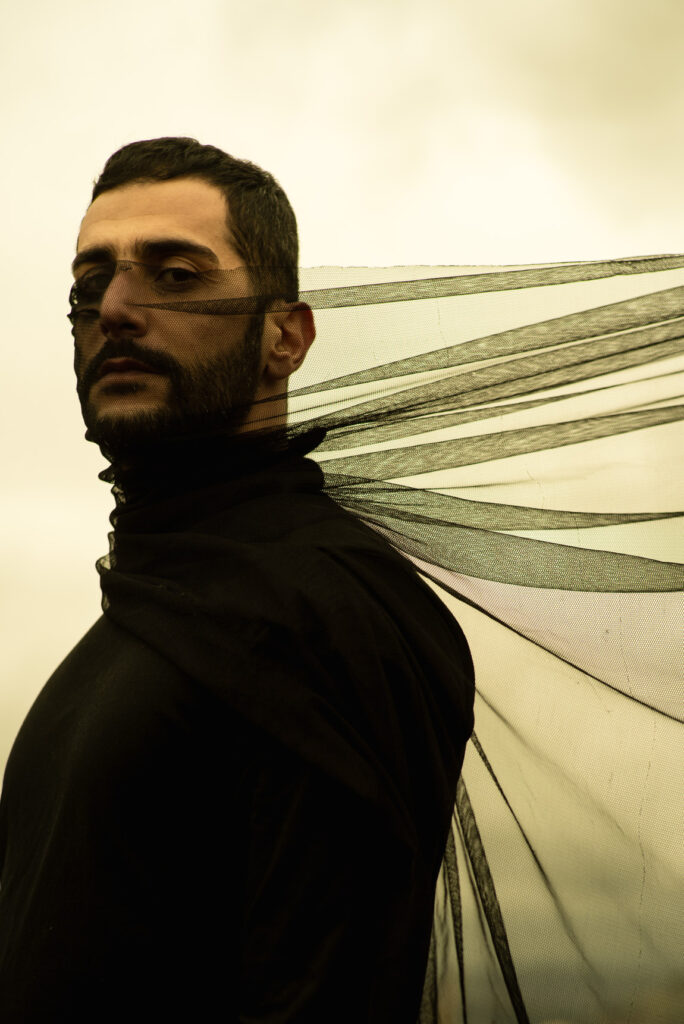
Ali Chahrour
Dancer and choreographer Ali Chahrour (Beirut, 1989) has developed a unique movement language that breaks away from Western codes and models. This language reflects his cultural background and the political, social, and religious context in which he works. In an earlier series of performances, part of his “Death” trilogy, he brought funeral rituals to life, combining tradition with a sharp sense of modernity. He later began a new series centered on the theme of “love,” including Told by My Mother, which was presented at Holland Festival in 2025.
Chahrour’s work is characterized by a combination of lyrical poetry and intensely intertwined bodies. His performances have been presented at the Festival d’Avignon (2016, 2018, and 2022) as well as at numerous other festivals worldwide.
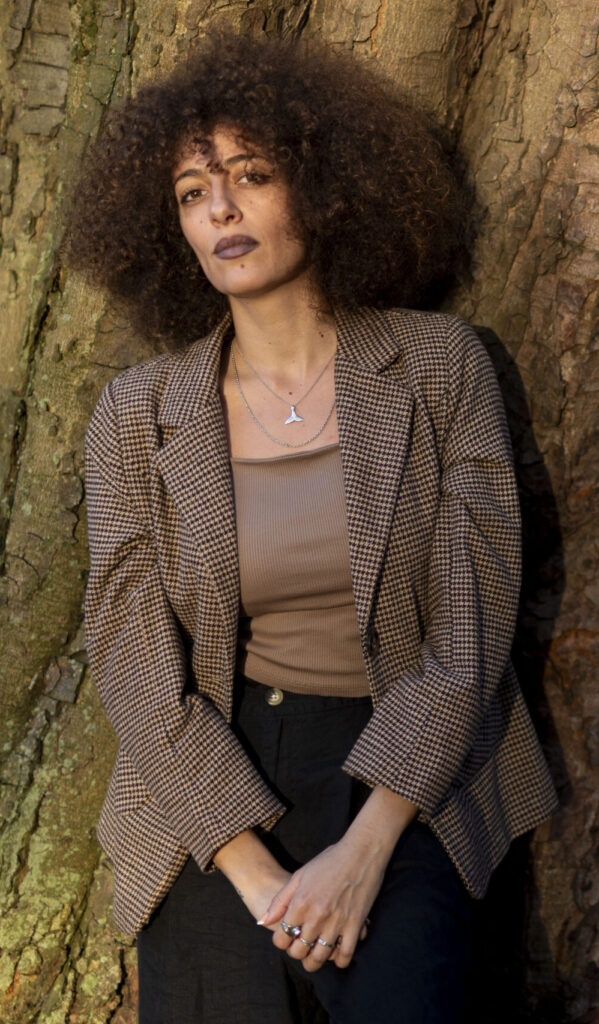
Diana Al-Halabi
Born in Lebanon in 1990, Diana Al-Halabi is a Rotterdam–Beirut–based interdisciplinary artist working primarily with film and painting. Through an intersectional feminist lens, her practice navigates the entanglement of the personal and the political, challenging top-down structures of power — from the patriarchal gaze and institutional violence to bureaucracy, settler colonialism, migration, and visa regimes. Her recent research, “Famine and Hunger Strikes: Decolonizing the Digestive System,” explores the politicization of the digestive system as a form of bottom-up resistance.
Al-Halabi’s work spans film and painting, with her 2022 film, “The Disaster Cannot Be Contained,” screening at international festivals, including IFFR, and winning Best Short Film in the national competition at the Beirut Shorts International Film Festival. In 2023, she received the IFFR RTM PITCH Award for her short film “The Battle of Empty Stomachs,” which premiered at IFFR 2024, Raindance Film Festival (UK), and Blackstar Film Festival (USA).
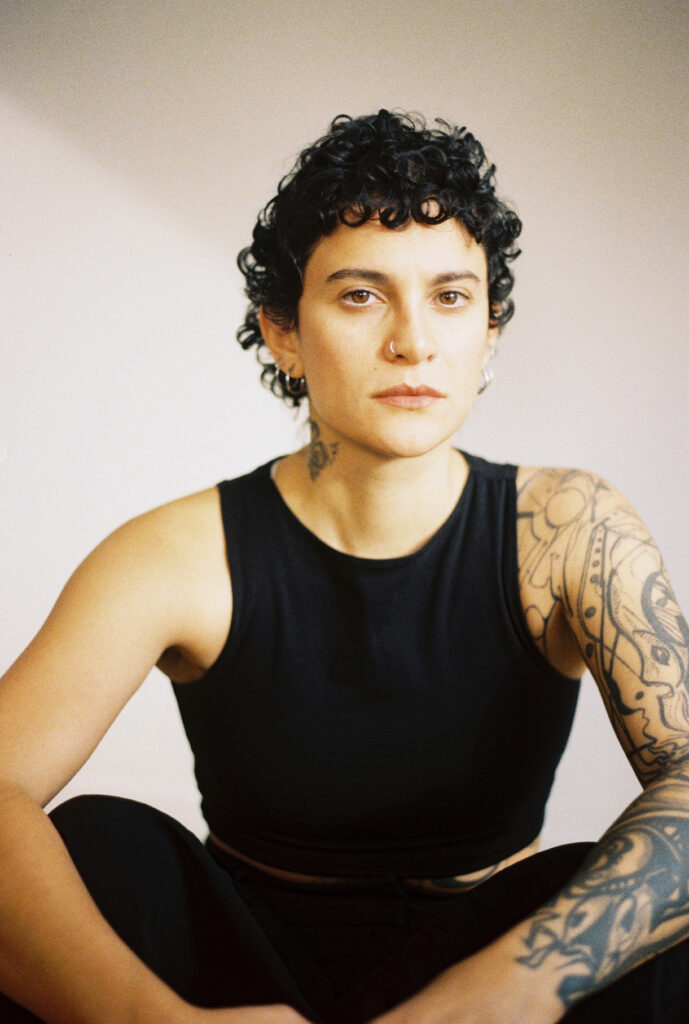
ghenwa (noiré) abou fayad
ghenwa (noiré) abou fayad is a Lebanese cross-disciplinary artist, performer, and installation practitioner. Their work explores the politics of language, oral history, and repetition through sound, storytelling, and improvisation. Using an electro-acoustic setup, ghenwa plays the bouzouqi, sings, and plays the synths to weave together socio-political narratives, memory, and everyday survival, often treating performance as a living archive shaped by embodied experience.
Their practice extends into collaborative and pedagogical formats, including projects such as Hacked Orchestra which she initiated then collaborated on with Hackers & Designers (2024) – which , a collaboration with Hackers and Designers culminating in a sonic presentation at the Muziekgebouw, they facilitated the Insurgent Learning Workshop (2024), and later co-lead Voice as Legacy: Tracing the Unwritten (Sonic Acts x SALWA Foundation, 2025).
Their ongoing sound research uses a dactylo (Arabic typewriter) as an instrument, investigating the gendered history of typing as feminized labor and its sonic potential. At the moment, ghenwa is working on producing their first debut EP entitled ‘daken – sombre’.
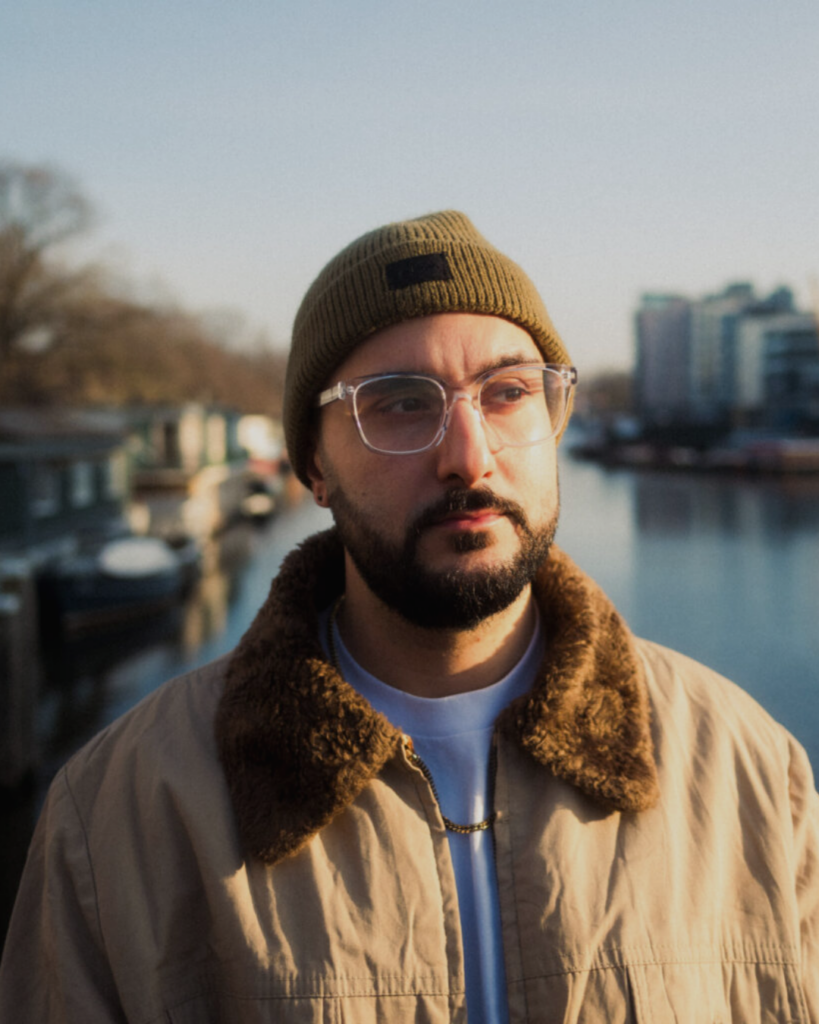
Koray Cömert
Koray Comert, moderator of the evening, is an activist, screenwriter, and rapper. He was raised within the ethos of hip hop: build collective power to fight exploitation and remain true to oneself. With a deep engagement in Socialist Realism, Comert translates lessons from past revolutions into contemporary artistic practice. As the founder of Art for the People, a collective of anti-capitalist artists, he has organized political education sessions for artists in Miami in recent years.